Running a small business often means working with limited space—but that doesn’t mean you have to compromise on functionality, design, or customer experience. At Picone Construction, we’ve helped Buffalo and WNY small businesses transform compact spaces into highly functional, efficient, and visually appealing environments.
In this article, we’ll share practical strategies and real-world examples that show how smart design and construction can maximize your space and support your business growth.
Join Our Community.
- Get access to exclusive guides
- See the newest posts and projects first
- Stay up to date on the latest industry trends and insights
- Sign up now and claim your free guide to affordable build-outs


1. Prioritize Flexible Layouts
Even small spaces can work harder when designed with flexibility in mind. Movable partitions, multi-use areas, and modular furniture allow you to adapt your space as your business evolves.
Example:
A local café in Buffalo reconfigured its 900-square-foot location to include a small retail section, a seating area, and a takeout counter—all in a compact footprint. By planning for multiple uses from the start, the space works efficiently during peak hours while still offering a comfortable customer experience.
2. Optimize Storage and Workflow
Cluttered spaces can feel smaller and hinder operations. Smart storage solutions and carefully planned workflow can free up usable space and improve efficiency.
Tips:
- Use vertical storage wherever possible.
- Incorporate built-in cabinets or shelving to keep floors clear.
- Design the workflow to minimize bottlenecks for staff or customers.
Example:
A small retail shop in WNY worked with Picone to redesign its back-of-house storage and employee prep areas. With compact but organized storage and a clear path for staff, the business was able to increase inventory without expanding the square footage.
3. Maximize Natural Light and Visual Space
Small areas can feel cramped, but strategic lighting and thoughtful design can make them feel bigger. Large windows, glass doors, and reflective surfaces bring in light and create an open, welcoming environment.
Example:
A boutique office renovation in Buffalo replaced interior walls with glass panels and added skylights. The result? A brighter, more open-feeling workspace that employees and clients loved.
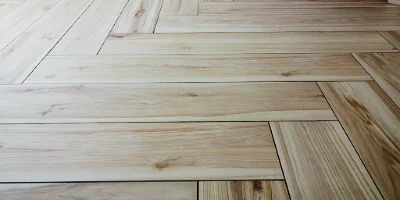
4. Smart Material Choices
When working in tight spaces, materials matter. Durable, low-maintenance, and multi-functional finishes save money over time and help the space remain functional for years.
Tips:
- Choose easy-to-clean flooring that supports high traffic.
- Consider multi-use surfaces, like foldable counters or convertible seating.
- Use durable finishes for high-touch areas to minimize future repairs.
5. Plan Early With a Local Expert
Working with a trusted local contractor early in the planning process ensures your space is designed efficiently, meets WNY building codes, and avoids costly surprises. Pre-construction planning, 3D layouts, and design-build collaboration can save time, money, and headaches.
Example:
A small boutique used Picone’s pre-construction services to map out every inch of their new location. Early planning allowed the team to install efficient HVAC, lighting, and storage systems without delaying the opening—keeping the project on time and on budget.
Even the smallest spaces can deliver big impact with the right planning, design, and construction strategy. At Picone Construction, we’ve helped Buffalo and WNY small businesses maximize their space and create functional, beautiful, and efficient environments.
Whether you’re renovating an existing location or planning a new build, our local expertise ensures your project stays on time, on budget, and built to last.
See How We Can Help Your Business! Contact us to set up a free consultation.