
Buffalo’s climate demands more from commercial buildings than many regions. Long heating seasons, heavy snow loads, freeze–thaw cycles, wind exposure, and rapid weather swings all play a role in how structures perform over time. For owners, developers, and architects, understanding how construction strategies respond to these conditions can make a meaningful difference in durability, efficiency, and long-term operating costs.
Prioritizing Performance for Long Winters
Even the best insulation plan requires precise installation to deliver the expected performance. Careful coordination among trades — especially around penetrations, windows, and connections — helps prevent air leakage and reduces cold-weather performance issues.
Important construction considerations include:
- Ensuring continuous insulation throughout the envelope
- Minimizing thermal bridges at corners, headers, and transitions
- Using air-sealing strategies that maintain durability over time
- Coordinating envelope details early to avoid on-site conflicts

Structural Insulated Panels (SIPs): A High-Performance Option for Harsh Climates
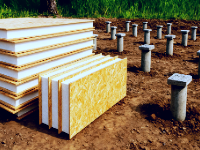
SIPs are becoming a more common option in commercial and light-industrial projects for their combination of energy efficiency, speed of installation, and structural performance. Below is a balanced look at how they function in Western New York’s climate.
Pros
Exceptional Thermal Efficiency
SIPs provide high R-values and continuous insulation, reducing heat loss and helping stabilize interior temperatures during long winters.
Air-Tight Envelope
Factory-manufactured panels create a tight building envelope with fewer thermal breaks, minimizing drafts and cold spots.
Strong Structural Capacity for Snow Loads
SIPs offer stiffness and load-bearing capacity that can support the snow conditions common in the region.
Faster Dry-In and Reduced Waste
Prefabrication shortens the time needed to get the structure weather-tight — an advantage when working against short installation windows.
Cons and Considerations
Higher Upfront Cost
Panels typically cost more initially than traditional framing, although some of that may be offset by long-term energy savings.
Moisture and Ventilation Requirements
Because SIPs create an airtight structure, proper joint sealing, moisture control, and mechanical ventilation (such as ERV/HRV systems) are essential.
Less Flexibility for Field Changes
Panels are manufactured to exact dimensions, making late layout changes difficult.
Experienced Installer Needed
SIP systems perform best when crews are familiar with proper assembly and sealing techniques.
Best Fit in Buffalo
SIPs often work well for:
- Offices and commercial interiors
- Light-industrial or flex spaces
- Projects prioritizing efficiency or sustainability
- Schedules that benefit from fast enclosure
- Owners focusing on lifecycle performance and operating cost stability
When evaluated early and coordinated with the design and engineering teams, SIPs can be a strong option for buildings aiming for higher performance in Buffalo’s climate.
Planning Construction Around Buffalo’s Weather
The region’s construction season is limited by cold, snow, and unpredictable moisture, making scheduling and sequencing especially important.
Effective approaches include:
- Early site work before freeze-in
- Prioritizing fast envelope systems (panelized, prefabricated, or modular components)
- Using temporary weather protection when necessary
- Planning material deliveries for narrow weather windows
- Coordinating trades efficiently to reduce idle time in inclement weather
A proactive schedule helps maintain progress even during challenging conditions.
Effective Site Preparation for Buffalo’s Ground Conditions
The right groundwork helps reduce settlement issues, drainage problems, frost-related movement, and unexpected costs during construction.
Soil Conditions and Frost Depth
Buffalo’s soils vary widely, from clay-heavy areas to locations with higher sand or silt content. Each responds differently to moisture and freeze–thaw cycles. Key preparation steps often include:
- Confirming soil bearing capacity with geotechnical input
- Accounting for the region’s deeper frost line to prevent heaving
- Using proper compaction techniques to minimize settlement
- Stabilizing or replacing unsuitable soils when necessary
A well-prepared base helps ensure the structure remains stable during cyclical freezing.
Drainage and Groundwater Management
Drainage is critical in a climate that sees heavy snowfall followed by rapid melt. Effective strategies often involve:
- Sloping grades away from the foundation
- Installing perimeter drains or underdrains where needed
- Ensuring backfill materials promote water movement
- Incorporating temporary site drainage during construction to avoid pooling
Good drainage protects both the building envelope and the foundation.
Access, Equipment, and Seasonal Constraints
Buffalo’s weather can reduce site accessibility during large portions of the year. Early planning helps maintain progress, especially on tight schedules. Considerations include:
- Establishing durable construction entrances before heavy equipment arrives
- Planning excavation and utility work ahead of winter freezes
- Scheduling concrete pours around temperature windows or incorporating cold-weather techniques
- Preparing staging areas that remain workable in snow or mud
These steps help ensure dependable site logistics even in challenging seasons.
Environmental and Erosion Controls
Snowmelt, rain, and wind can all affect soil stability during construction. Effective mitigation typically includes:
- Silt fencing and erosion control blankets
- Snow-management plans that prevent piles from blocking drainage paths
- Protecting stockpiled materials from moisture
- Temporary walkways or ground protection to prevent disturbance
Proper site management keeps the project compliant and reduces rework later in the build.
The Takeaway
Whether it’s evaluating SIP panels, improving insulation continuity, selecting weather-resilient materials, or coordinating mechanical and envelope integration, early collaboration among owners, architects, engineers, and the construction team ensures each project is well-equipped for Western New York’s unique climate challenges.